How to Collaborate with Scenic Fabrication Teams
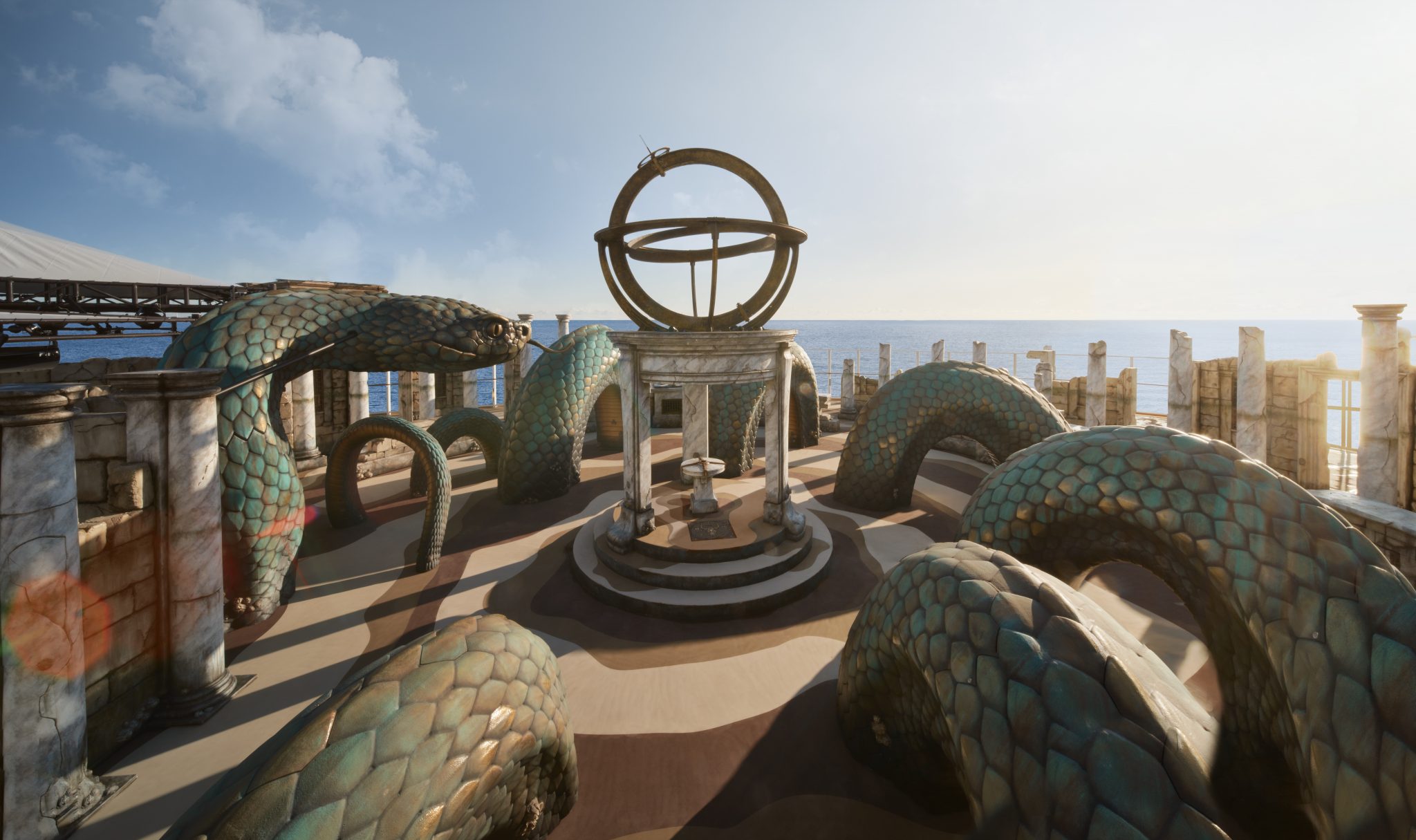
Introduction:
Scenic fabrication is a team effort that combines artistic vision, technical expertise, and practical construction skills. Whether for theater, film, television, events, or themed attractions, effective collaboration between designers, engineers, and fabricators ensures that sets are visually stunning, safe, and functional. Clear communication, planning, and mutual understanding are key to a successful partnership.
1. Define Goals and Expectations Early
Establish a Clear Vision
Begin by sharing the creative concept, design sketches, and story requirements with the fabrication team. This helps ensure everyone understands the desired outcome and aesthetic goals.
Set Realistic Timelines
Discuss deadlines and production schedules early. Clear timelines allow the team to plan fabrication, assembly, and installation efficiently while avoiding rushed work.
2. Communicate Design and Technical Requirements
Provide Detailed Plans
Share technical drawings, 3D models, and material specifications. This ensures that fabricators have all the necessary information to translate your vision into physical sets accurately.
Highlight Critical Elements
Identify key components that require precision, structural integrity, or special effects integration, so the team can allocate resources and attention appropriately.
3. Encourage Open Dialogue
Regular Meetings and Check-ins
Schedule regular discussions to review progress, address challenges, and make adjustments collaboratively. Open communication fosters trust and prevents misunderstandings.
Feedback Loop
Encourage fabricators to offer suggestions based on their expertise in materials, construction techniques, and safety considerations. Collaborative problem-solving improves efficiency and final results.
4. Understand Technical Limitations
Material Constraints
Be aware that some materials may look ideal but be impractical due to weight, cost, or safety considerations. Work with the fabrication team to select suitable alternatives.
Structural and Spatial Limitations
Large or complex designs may need engineering adjustments to ensure stability and ease of assembly. Respecting these limitations ensures safety and feasibility without compromising the artistic vision.
5. Foster a Collaborative Workflow
Shared Digital Platforms
Use software for project management, 3D modeling, and version control to keep all team members aligned. This reduces errors and ensures that changes are clearly communicated.
Modular Prototyping
Encourage the team to build small-scale prototypes or mockups. This allows for testing design, fit, and functionality before full-scale fabrication, saving time and resources.
6. Plan for Installation and Rehearsal
On-Site Coordination
Work closely during the installation phase to ensure set pieces fit the performance space and interact correctly with lighting, props, and performers.
Rehearsals and Adjustments
Test sets with performers before opening night. Fabricators can make minor adjustments to improve safety, sightlines, and overall performance flow.
7. Respect Expertise and Build Trust
Value the Fabrication Team’s Knowledge
Fabricators bring technical experience and problem-solving skills that complement the designer’s vision. Respecting their input creates a productive and positive working environment.
Celebrate Successes Together
Recognize contributions from all team members. Successful scenic fabrication is the result of collaboration, creativity, and mutual respect.
Conclusion:
Working effectively with scenic fabrication teams requires clear communication, mutual respect, and a shared commitment to excellence. By defining goals, understanding limitations, maintaining open dialogue, and planning carefully, designers and fabricators can create safe, visually stunning, and functional sets that bring stories to life and leave a lasting impression on audiences.